
Regional lockout is used to enforce price discrimination across markets, prevent gray-market imports, and comply with local legal requirements.
Have you ever wondered why games are region-locked when you find the same title costs $79.90 in the United States but only around $30 in Turkey, or $60 in the Philippines versus $40? This pricing strategy isn’t accidental. It’s a deliberate business decision that affects millions of gamers worldwide.
This piece will explain what region locking means and explore why consoles are region locked differently across manufacturers. I’ll get into the various types of region-lock implementations and discuss how this practice affects your gaming experience. On top of that, I’ll cover how modern industry moves away from traditional regional restrictions.
Understanding Regional Lockout in Video Games
What region-locked meaning actually is
Regional lockout is a digital rights management system that prevents the use of certain products or services outside specific regions or territories.
A region lock operates through code that reads what country your console is set to. The system checks whether the software matches your console’s designated region before allowing it to run when you insert a game disk or cartridge.
Regional systems and implementation
Video games use several key regions: Japan and Asia (NTSC-J), the Americas (NTSC-U), Europe and Oceania with the Middle East, India, and South Africa (PAL), and China (NTSC-C). Game manufacturers have put regional lockouts in place through multiple methods. These include hardware and software authentication, changes to slot pin configurations, physical differences in cartridge cases, and IP blocking with online software patching.
The History of Region Locking in Consoles
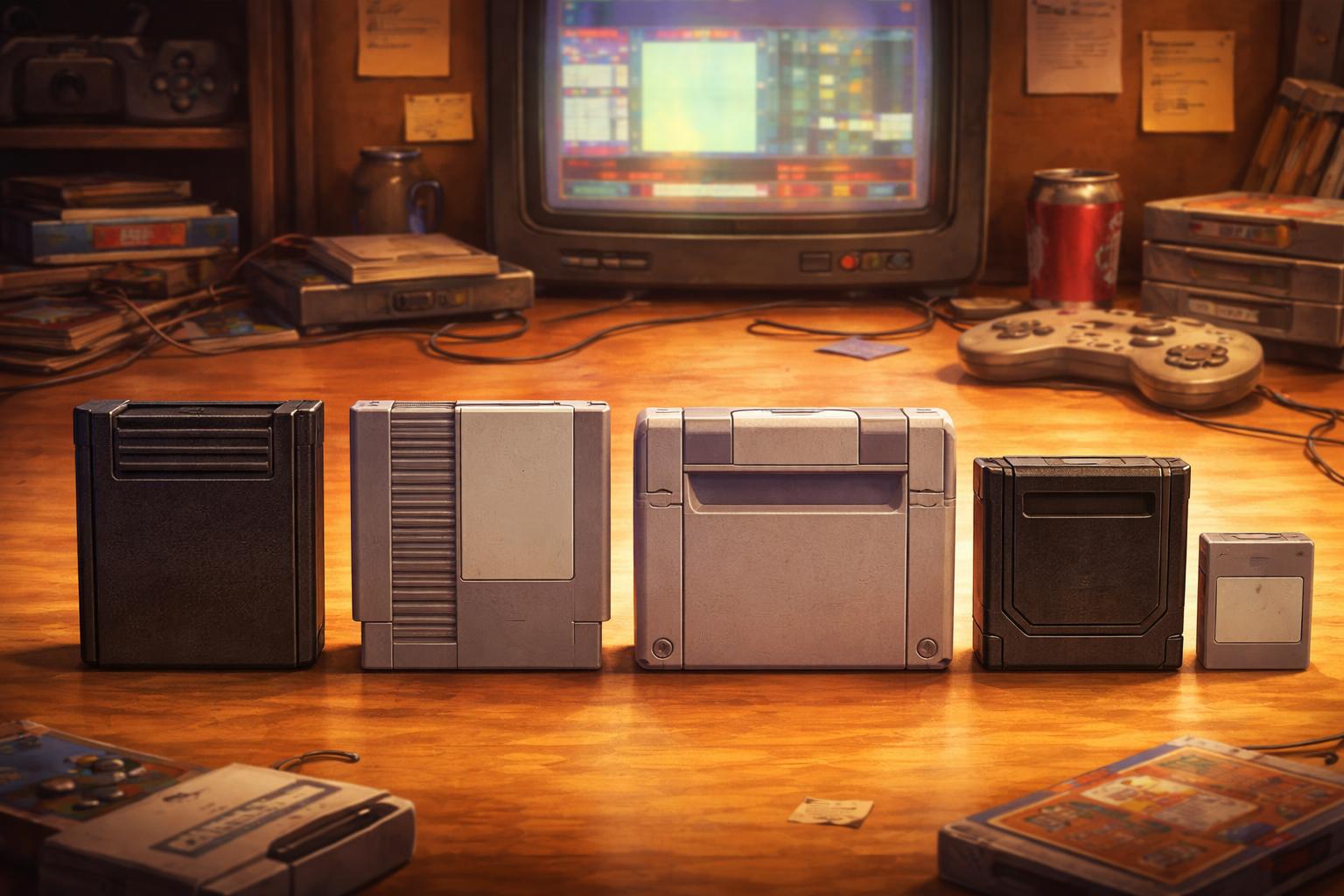
Different continents used varying broadcasting techniques, and analog televisions couldn’t handle video content from multiple regions, which led to the original need for region locking. Nintendo introduced the first console-level regional locks and implemented them across all home consoles until the Nintendo Switch. The Nintendo Entertainment System pioneered this approach through both physical and technical barriers. NES games differed in cartridge design between Japan and other markets with different pin counts. The Famicom used smaller cartridges, and this made Japanese games incompatible with NES consoles without an adapter.
The NES contained the 10NES authentication chip, which extended beyond physical restrictions. This chip was coded for four regions: NTSC (North America), PAL-A (United Kingdom, Australia, and Italy), PAL-B (other European countries and South Korea), and Asia (South East Asia, India, and Hong Kong). Nintendo continued this practice with subsequent consoles. The Super Nintendo and Super Famicom used different cartridge case shapes to prevent cross-region compatibility.
Manufacturers recognized they could utilize these technical differences to divide markets and control pricing models. They could also manage release schedules and work with different distribution companies.
Which Consoles are Region Locked Today
Most modern gaming systems have abandoned regional restrictions. PlayStation dropped region locking in 2006 with the PS3, and Xbox followed in 2013 with the Xbox One. The Nintendo Switch is region-free, except for consoles and game cards distributed in China. These remain incompatible with other territories. The PlayStation 5 and Xbox Series X are both region-free.
Nintendo’s handheld systems that remain region locked include the Nintendo 2DS, 3DS, and 3DS XL with the New 3DS and New 3DS XL.
The Strategic Reasons Behind Region Locking
Regional pricing adjusts game costs based on local purchasing power and economic conditions rather than setting a fixed global price.
A game priced at USD 60.00 in the United States might cost between USD 15.00 and USD 30.00 in countries like Brazil or India. This strategy recognizes that 75% of the global population lives in regions where affordability is much lower than in wealthier nations.
Publishers use purchasing power parity data to establish price tiers. High-income regions like the U.S., U.K., and Japan form Tier 1. Middle-income regions such as Mexico and Eastern Europe comprise Tier 2, and low-income regions including India and Southeast Asia fall into Tier 3. Region locking prevents consumers from using VPNs to purchase games at lower prices from other territories and protects these pricing structures from exploitation.
Legal and regulatory compliance requirements
Jurisdictions impose distinct rules related to licensing, taxation, and content approval.
The USK reviews content for age appropriateness and violent themes in Germany. China’s National Press and Publication Administration imposes strict censorship rules and limits the number of foreign games approved each year. South Korea requires real-name verification systems and has regulations around loot boxes. Non-compliance can lead to heavy penalties, operational restrictions, or license revocation.
Controlling content distribution rights
Companies often sell distribution rights to different publishers in different regions.
Region locking ensures consumers use products only in territories where they’re licensed. This protects licensors from losing potential buyers in other regions and licensees from losing exclusivity in their designated territories.
Staggering worldwide game releases
Publishers schedule regional rollouts to maximize marketing effect and manage server loads that may arise from simultaneous global releases.
Staggered releases allow developers to gather feedback and make adjustments before reaching all players. This approach also addresses localization needs, as translating dialog, subtitles, and user interfaces into multiple languages requires considerable time.
Different Types of Region Lock Implementation
Manufacturers built region locks directly into the physical design of game cartridges and disks.
Nintendo built region locks into the physical design of game cartridges from the beginning. The NES featured different pin counts between Japanese and international cartridges. The American Super Nintendo and Super Famicom used distinct cartridge case shapes, with plastic pieces in the SNES slot preventing Super Famicom cartridges from insertion. Sega took a different approach with the Genesis. The console used identical pinouts across regions, but the plastic shell varied. Japanese Model 1 systems had a locking piece that fit into a cartridge notch. American systems used thinner cartridges without this feature.
Digital distribution and account-based locks
Modern digital storefronts maintain region restrictions despite physical media becoming region-free.
Nintendo Switch cartridges work on any console whatever the purchase location. But DLC remains region-locked to match the game’s original region. Steam prevents activation of game keys purchased from different regional stores. The PlayStation Store only contains content for its own country, meaning DLC purchased from one region won’t work with games from another.
Why are Consoles Region Locked Differently
Platform-level differences
Sony discouraged developers from region-locking their games.
The PS4 and PS5 operate without regional restrictions for both disk and digital games. Xbox implements region locks for digital content like DLC, movies, and apps through Xbox Live. Backward compatible Xbox and Xbox 360 games run region-free on Xbox One and Series consoles.
Online multiplayer region separation
Multiplayer matchmaking often enforces geographic barriers separate from game purchases.
The online region ties to the game’s region and requires players to buy separate copies for different territories. Some games use IP-based blocking to verify location. Others implement account-level locks, such as Valorant tying Riot accounts to specific shards with no in-game toggle to switch regions.
Consumer Challenges and Industry Changes
Many games never receive global releases, especially obscure titles and indies that remain Japan-exclusive. You’ll need workarounds to access region-locked content, and these vary by platform. Xbox lets you change your console’s location settings to browse international storefronts. PlayStation owners must create separate PSN accounts for different regions. Nintendo Switch users can either create region-specific accounts or change their existing account’s region setting.
Physical imports are another solution. Modern consoles like the Switch, Xbox Series X|S and PlayStation 5 play physical games from any region without modification. But DLC must still be purchased from the game’s original region to function.
The Australia tax and regional pricing issues
Australian gamers face unjustifiable price inflation compared to other markets. The average price difference reaches 84 percent. The median sits at 61 percent. Digitally distributed games show even larger disparities, with some Steam titles costing 200 to 300 percent more in Australia. Sometimes importing a physical copy from the UK and paying international shipping costs less than purchasing digitally.
How to bypass region restrictions
You’ll need different workarounds depending on the platform to bypass region restrictions. Older Nintendo consoles just need simple modifications. The NES accepts Japanese Famicom games via 60-pin-to-72-pin cartridge adapters. GameCube and Wii systems run import games using Action Replay or Freeloader disks. The Wii U requires complete soft modding, a complicated process with no external solutions. The Switch eliminated these headaches entirely by being region-free.
Some players also look into privacy tools when accessing region-specific stores or comparing pricing across countries, especially on PC platforms where account and location rules are stricter. In those cases, checking current deals from Surfshark can be one way to save on a VPN service before deciding whether that setup is even worth using for broader online privacy needs.
Steam prohibits VPN usage to bypass regional restrictions, with violations resulting in account bans. Sony removed regional restrictions for PC games in over 170 countries after intense backlash.
Why modern systems are moving away from locks
Region-free hardware has become standard.
Sony abandoned region locking with the PS3 in 2006. Microsoft followed with Xbox One in 2013, and Nintendo joined with the Switch. This move recognizes that global gaming communities just need borderless access, and restricting sales in certain territories reduces revenue potential.
What This Means for Gamers Going Forward
Region locking isn’t disappearing completely, it’s shifting.
You’ll notice fewer restrictions when it comes to hardware and physical games, but digital ecosystems are still tightly controlled. Pricing, licensing, and regional regulations continue to shape what you can access and how much you pay.
For players, this means more freedom than before, but not total flexibility. Understanding how these systems work gives you an advantage, whether you’re trying to access a game from another region or simply avoid overpaying.
The industry is moving toward global access, but business realities ensure region-based systems aren’t going away anytime soon.