
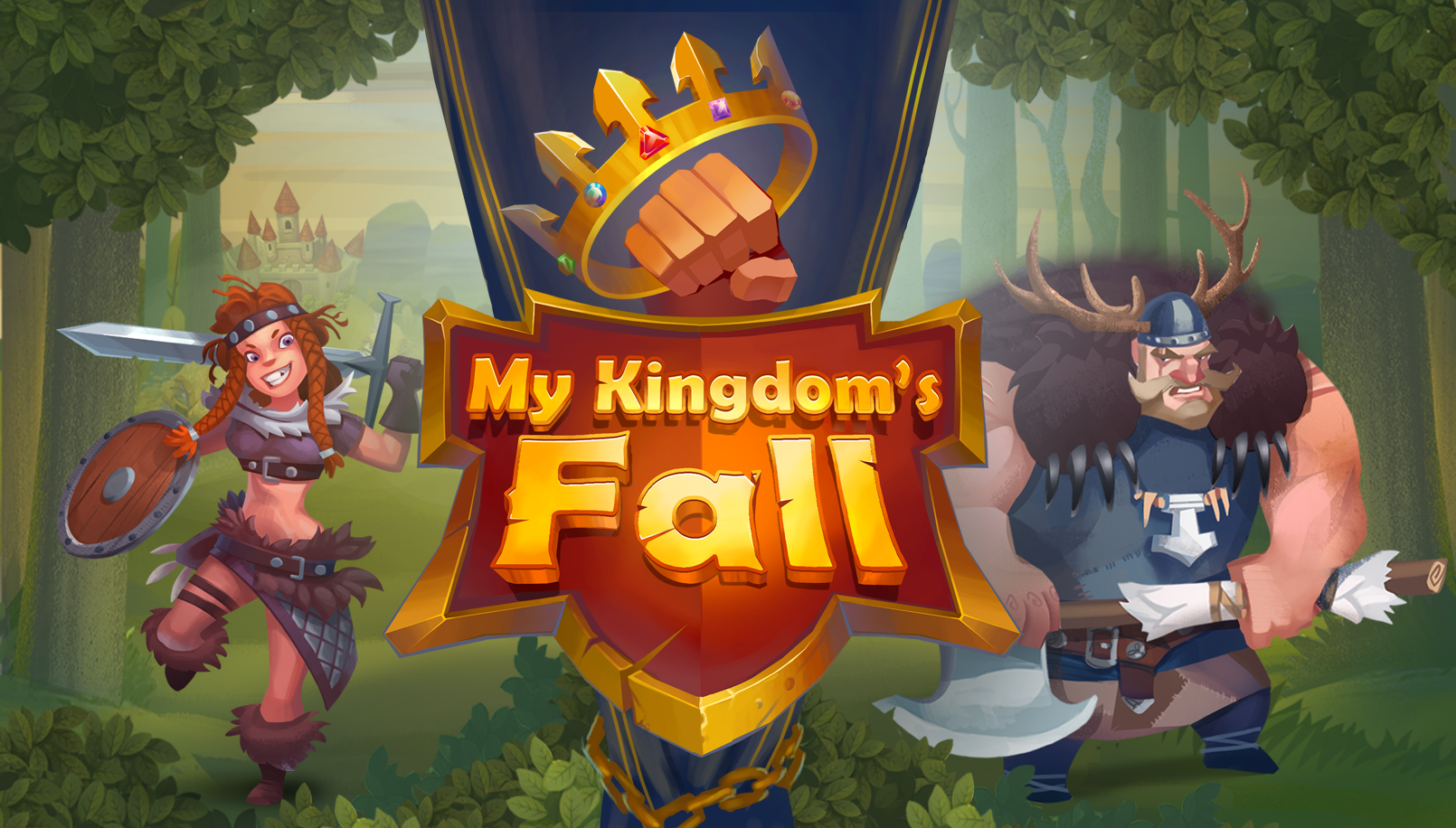
My Kingdom’s Fall
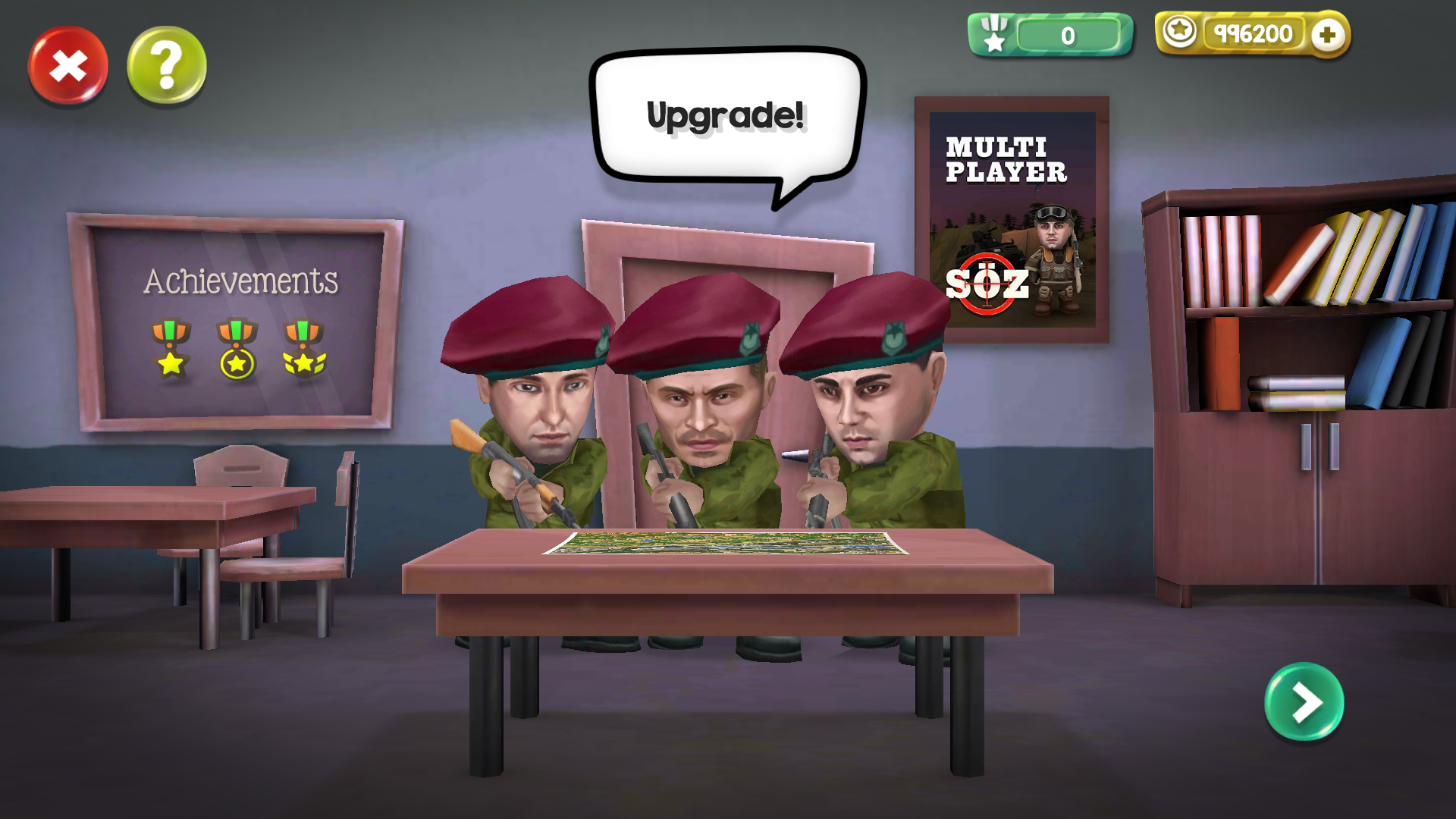
My Kingdom’s Fall is a PvP multiplayer card game that is available only for beta testers now. Thi...







Poker software development covers the full stack a real-money card room needs: the lobby and table client, the game server that deals cards and validates every action, the wallet and cashier, the tournament engine, and the back office used for risk, bonuses, and reporting. Unlike a slot, poker is a stateful multiplayer product where latency, seat allocation, and settlement logic decide whether the room feels fair. Below is a breakdown of the components, architecture, compliance surface, and delivery benchmarks behind online poker software, so operators and studios can scope a build with realistic expectations.
Scope runs from the player-facing client to the operator’s reporting layer. Most builds split into six functional blocks, each with its own release cycle and test profile, and each exposing a defined API to the others.
Keeping these blocks separate pays off later. An operator can swap a payments provider or add a CRM without touching the game server, and a second brand can reuse the same wallet and reporting layer.
Content supply is a separate track. Many rooms launch with their own tables and add third-party titles through casino game aggregator integration, which keeps one wallet and one compliance trail across poker and casino products.
The first decision is commercial, not technical: license a poker software provider’s turnkey platform or commission a dedicated build. Turnkey gets a room live faster and shifts certification and uptime risk to the supplier, but the roadmap and client design stay shared with every other operator on that network.
A commissioned build costs more upfront and takes longer, yet the operator owns the rules engine, the data model, and the release schedule. A hybrid path is common: license the core game server, then build a proprietary client, bonus engine, and back office on top, often with the same team handling casino game development for adjacent products.
| Criterion | Licensed platform | Dedicated build |
|---|---|---|
| Time to launch | Short, configuration-led | Governed by scope and certification |
| Roadmap control | Shared with other operators | Fully owned |
| Differentiation | Skin and promotions | Rules, UX, and formats |
| Upfront investment | Lower, revenue-share model | Higher, fixed-scope model |
| Maintenance | Supplier-managed | Owned or contracted |
Teams that already run a platform often extend it rather than replace it, and choose to hire poker game developers for a specific module such as a tournament engine or a Fast-Fold pool.
Hold’em is the baseline: two hole cards, five community cards, four betting rounds. Omaha uses four hole cards and requires exactly two of them to play, which changes hand evaluation and multiplies the valid combinations at every showdown.
Short Deck runs on a 36-card deck with the 2s through 5s removed, an ante-based structure, and rule sets where a flush outranks a full house. Fast-Fold removes fixed tables entirely: a player who folds is moved to a new table and seat with a fresh hand, which requires a player pool, a queue, and matchmaking logic instead of a static seat map.
Each variant needs its own ranking table, betting validator, and test suite. A rules engine built around variant definitions rather than hardcoded logic can add a format without a server rewrite — usually the deciding architectural question in poker platform development.
Studios that also ship reel games reuse the same wallet, RNG, and back office plumbing, so slots game development frequently runs in parallel with a poker track.
Poker tournament software is scheduling plus state transitions. The engine needs blind structure templates, late registration windows, rebuys and add-ons, guaranteed prize pools with overlay handling, payout structures, hand-for-hand play on the bubble, and automatic table breaking and balancing.
Cash game logic is staler and more sensitive to edge cases: rake models (percentage of pot with a cap, time-based rake, per-hand fee), waiting lists, seat reservation, straddles, run-it-twice, and disconnection protection. Every rule must be configurable per table and per stake level without a deployment.
Settlement has to be deterministic. Recording each action with a sequence number and timestamp lets support replay a disputed hand, lets the back office reconcile rake against wallet movements, and lets an auditor reconstruct a session. Hand history export in a standard format belongs to this layer, not to reporting.
Shuffling runs on a certified cryptographic generator with defined seeding, rotation, and logging. Independent labs such as GLI, BMM, and iTech Labs review the shuffle implementation and its statistical output, and their reports are what regulators and payment partners request first.
Provably fair is a separate layer. The server commits to a hashed deck before the hand, the player contributes a seed, and the combination plus a nonce reproduces the shuffle afterward. It does not replace certification, but it gives players a way to verify individual hands without trusting the operator.
Fair play also covers what happens between hands. Collusion detection looks for shared table overlap, correlated bet timing, and soft-play patterns; bot detection relies on input telemetry and session fingerprints. Both need a review queue in the back office where risk staff can act, and the same rigor applied to
Poker software development begins with the layer players never see: the table server that owns game state and the channel that pushes it to every client. Unlike a slot, where each round is independent, a poker table is a shared stateful object — cards, stacks, timers, and action order must stay consistent for every seat at once. If this layer is wrong, no amount of front-end polish will fix the room.
Real-time tables typically run over WebSocket connections, with the server as the single source of truth and clients sending intents rather than outcomes. Actions are validated server-side, sequenced, and broadcast as deltas; reconnect logic and hand history rebuild state after a dropped connection. Wallet settlement sits outside the table loop: buy-ins, rebuys, and payouts post as ledger transactions, so a table crash never corrupts a balance. A sound casino software architecture separates the game core, the wallet, and the event bus for exactly this reason.
Scalability comes from sharding tables across nodes while keeping each hand’s state on a single node, with shared lobby and matchmaking services in front. Failover depends on hand-state replication and idempotent settlement, so losing a node restores a table instead of producing a disputed pot. Load tests should simulate seated players and spectators separately — the latter often dominate traffic.
Custom poker software rarely means rewriting a hand evaluator from scratch. Most of the tailoring budget goes into the layers around the core: the client, the economy, and the operator’s own ruleset.
If the roadmap includes proprietary side games or jackpot features, their math should be specified before the client is built; slot math models and their poker equivalents follow the same discipline of simulation and verification before release. Teams that also distribute content to other operators can connect a remote game server — the logic behind RGS for slot providers — and serve titles through a single integration. A casino software development team with a proven core can then limit custom work to the layers that actually differentiate the brand.
Timelines in poker software development follow a predictable shape even when the scope does not. Market benchmarks put a playable prototype at 4–8 weeks, an MVP with real-money flow, cash tables, and a basic tournament engine at 3–5 months, and a full multi-tenant platform with compliance, CRM, and payments at 6–12 months. The spread inside each range comes from scope, not from day rates.
Four variables move the budget most:
A licensed core plus custom front end is usually the shortest path; a fully proprietary backend trades time for long-term control. Cost tracking mirrors the same drivers, which is why a fixed quote issued before the architecture and integration list are settled tends to be renegotiated later.
Poker is a regulated product, and the license is held by the operator, not by the development vendor. The platform therefore has to be built to pass review rather than patched afterward, starting with jurisdiction rules that differ between MGA and UKGC frameworks in reporting, advertising, and player protection.
KYC and AML controls belong in the player lifecycle from registration, not only at withdrawal: identity verification, source-of-funds checks, and transaction monitoring must feed a case-management workflow. Responsible gaming tooling covers deposit and loss limits, session reminders, self-exclusion, and time-out periods, all enforced server-side and reflected in the client. Geo-blocking runs at the edge as well as in the application layer, with VPN detection and jurisdiction-specific lobby filtering.
Audit logs, immutable hand histories, and reporting exports are part of the same package. Licensing bodies and testing labs review how the system behaves when something fails, so error handling and dispute resolution flows should be documented before submission.
Most studios can build a client. Fewer can run a stateful, real-time room under load, and fewer still can hand it over cleanly. As a starting framework, our iGaming software development guide covers the questions worth asking early. The shortlist below narrows the field quickly.
Market benchmarks are 4–8 weeks for a prototype, 3–5 months for an MVP with real-money cash tables, and 6–12 months for a full platform with compliance and integrations. The driver is scope, especially the number of variants and third-party systems.
There is no single figure, because pricing follows variant count, client platforms, integrations, and compliance depth. A prototype and a regulated multi-tenant platform sit at opposite ends of the same scale.
Yes, and it is a common route: start with a shared core and branded skin, then move to a dedicated environment as liquidity and requirements grow. The migration is easier when the original architecture is multi-tenant from day one.
The operator holds the license; the vendor builds and maintains the software that the license covers. Scope of regulatory reporting and player protection features should be agreed before development starts.
Most rooms launch with a small set of popular flop games plus one or two tournament formats, then expand based on player data. Each additional variant adds rule logic and QA work, so sequencing matters.
Migration is feasible when hand histories, player balances, and account data can be exported in a usable format. Planning the cutover window and reconciliation process is usually more demanding than the data import itself.
EJAW builds poker platforms, table servers, and the integrations around them — wallet settlement, bonus engines, KYC hooks, and content aggregation. Share your variant list, target markets, and launch constraints, and we will map the architecture, scope the build, and outline a timeline against the benchmarks above. Start the conversation at casino game development or send your requirements directly to our team.
Related reading: how much game development costs and how we benchmark development companies.

Our commitment to client success extends beyond launch. We offer post-launch support and updates to keep your game or poker software running smoothly and up-to-date.

By choosing Ejaw for your mobile game development and poker software needs, you gain a competitive advantage in the industry.

We stay up to date with the latest industry trends and technologies, allowing us to offer innovative solutions that keep your products ahead of the curve.
Our solutions are designed with scalability in mind, accommodating varying user loads without compromising performance. This ensures a seamless gaming experience, whether your audience is small or extensive.
Ejaw goes beyond technical excellence, incorporating strategies to enhance user engagement. From intuitive interfaces to captivating gameplay elements, we prioritize creating experiences that captivate and retain users.
Recognizing the diverse global audience, our solutions incorporate localization strategies. This includes adapting content, language, and cultural elements to resonate effectively with players worldwide.

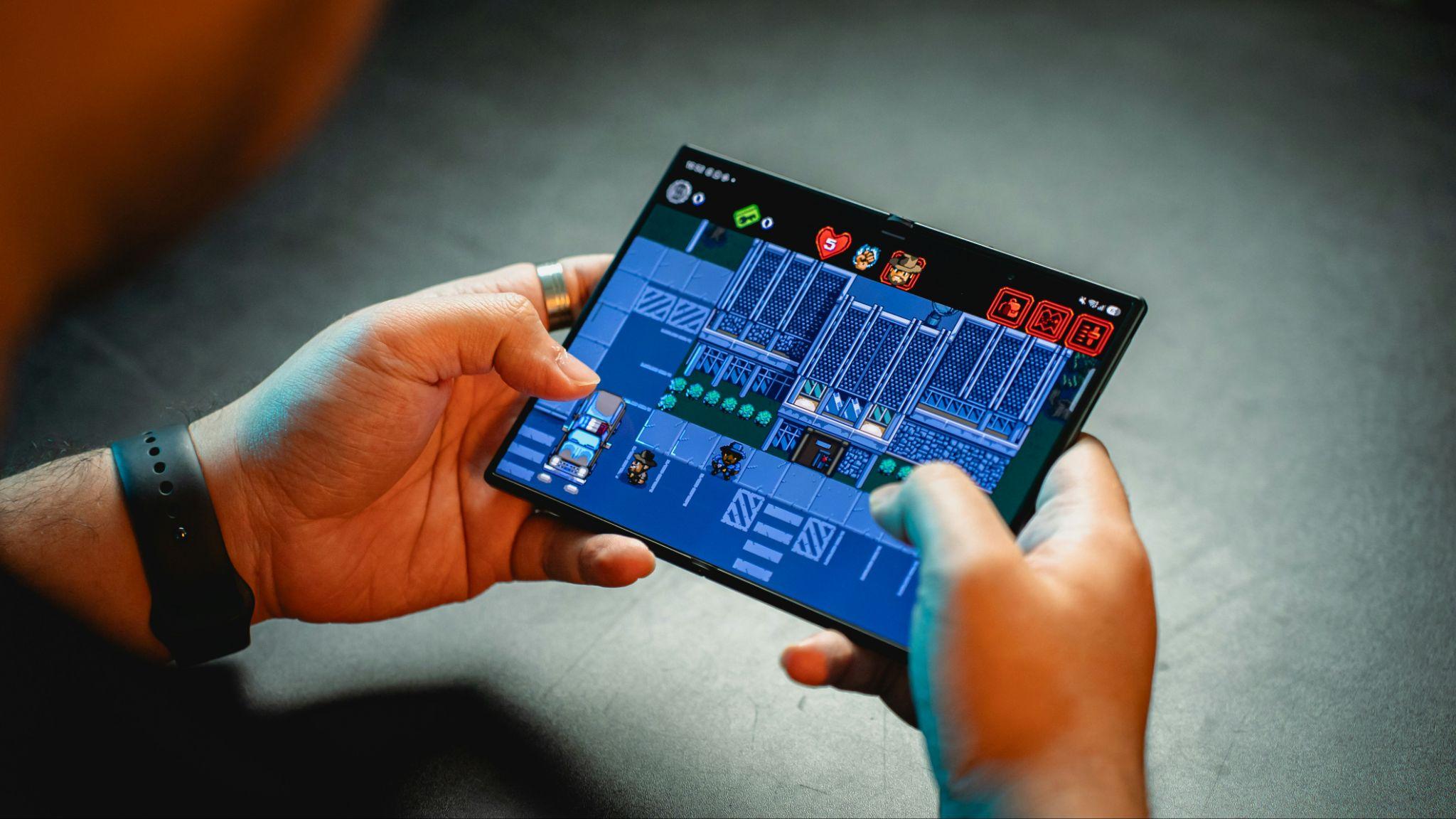

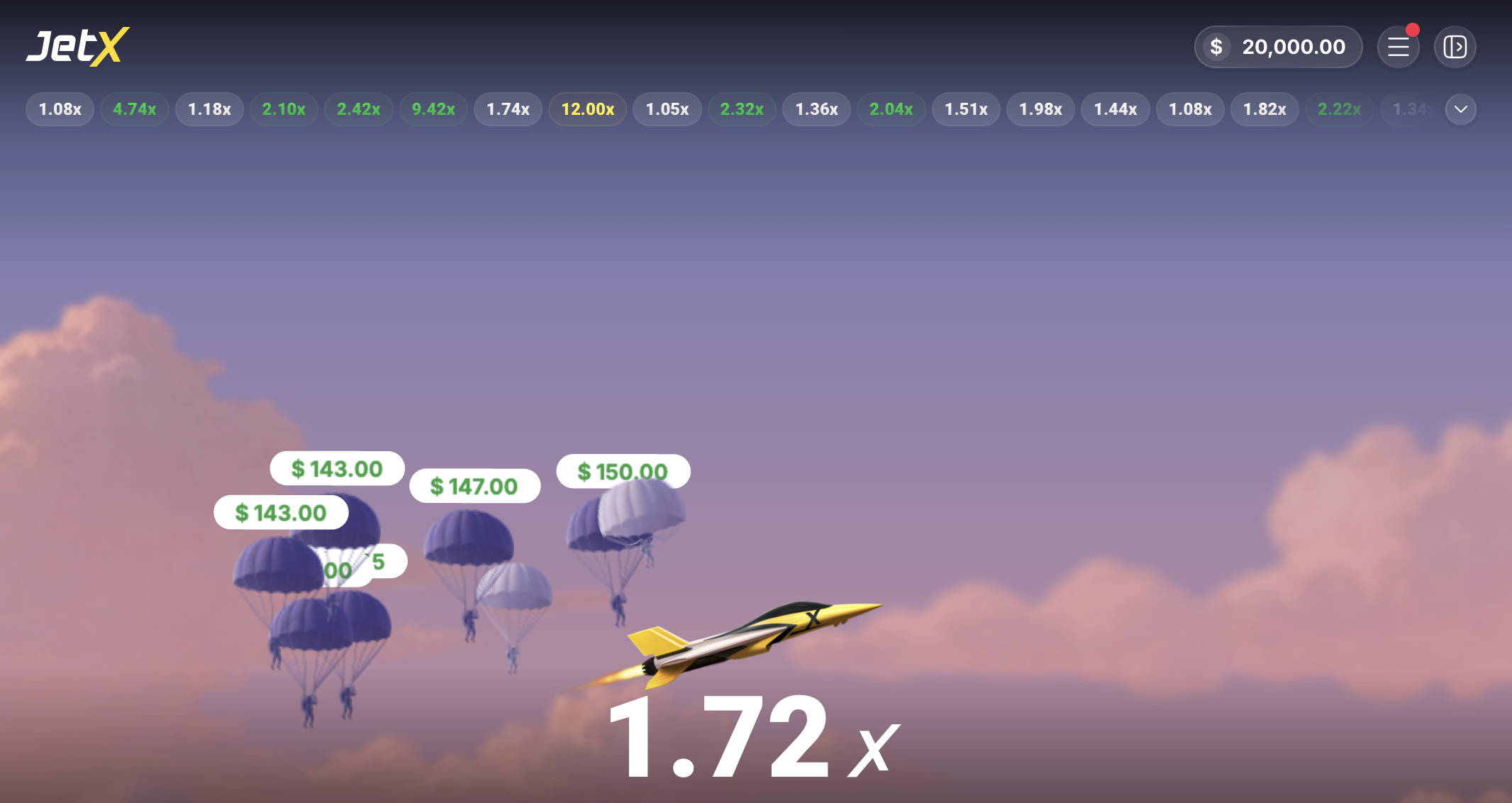
Ejaw's Poker Software Services encompass a variety of genres and specializations, including:
We develop online poker platforms that enable players to enjoy a seamless and engaging poker experience. Our solutions cover different variants of poker games, catering to both beginners and seasoned poker enthusiasts.
For those looking to organize and manage poker tournaments, our poker tournament software offers a comprehensive solution. It includes features for registration, blind structures, and real-time updates, making it ideal for both online and live poker events.
Our poker software solutions encompass a wide range of features, from hand history tracking to user-friendly interfaces. Whether you're interested in developing a poker app or incorporating poker into an existing platform, we have you covered.
Tailoring our services to your unique requirements, we excel in custom poker game development. Whether you have a distinct poker game concept in mind or seek to modify an existing format, our developers can create bespoke solutions to bring your vision to life.

Mobile Game Development Services
Our primary focus is on mobile game development, with a specialization in creating captivating games for iOS and Android platforms. Our team of over 100 specialists excels in designing, developing, and optimizing mobile games to ensure they meet the highest standards of quality and performance.
Poker Software Services
We offer comprehensive poker software services, leveraging our expertise in mobile game development to deliver exceptional solutions in the world of poker. Our offerings include: Online Poker Platforms: We design and develop online poker platforms that provide a seamless and engaging poker experience for players. These platforms support various poker game variants, catering to both beginners and experienced players. Poker Tournament Software: Our poker tournament software is a comprehensive solution for those looking to organize and manage poker tournaments. It includes features for player registration, blind structures, and real-time updates, making it suitable for both online and live poker events. Poker Software Solutions: Our poker software solutions encompass a wide range of features, from hand history tracking to user-friendly interfaces. Whether you want to develop a standalone poker app or integrate poker into an existing gaming platform, we have the expertise to meet your specific requirements.
Ongoing Support
Our commitment to client success doesn't end at launch. We provide post-launch support and updates to ensure that your mobile game or poker software continues to run smoothly and stays up-to-date with the latest industry standards and player preferences.
Competitive Advantage
When you choose Ejaw for your mobile game development and poker software needs, you gain a significant competitive advantage in the gaming industry. We leverage our experience, skills, and innovative approach to help your products stand out and succeed in a highly competitive market.
Innovative Solutions
We keep a close eye on the latest industry trends and technologies, allowing us to offer innovative solutions that keep your gaming products ahead of the curve. Whether it's incorporating cutting-edge features, enhancing user experience, or optimizing performance, we're dedicated to pushing the boundaries of what's possible in the gaming world.