
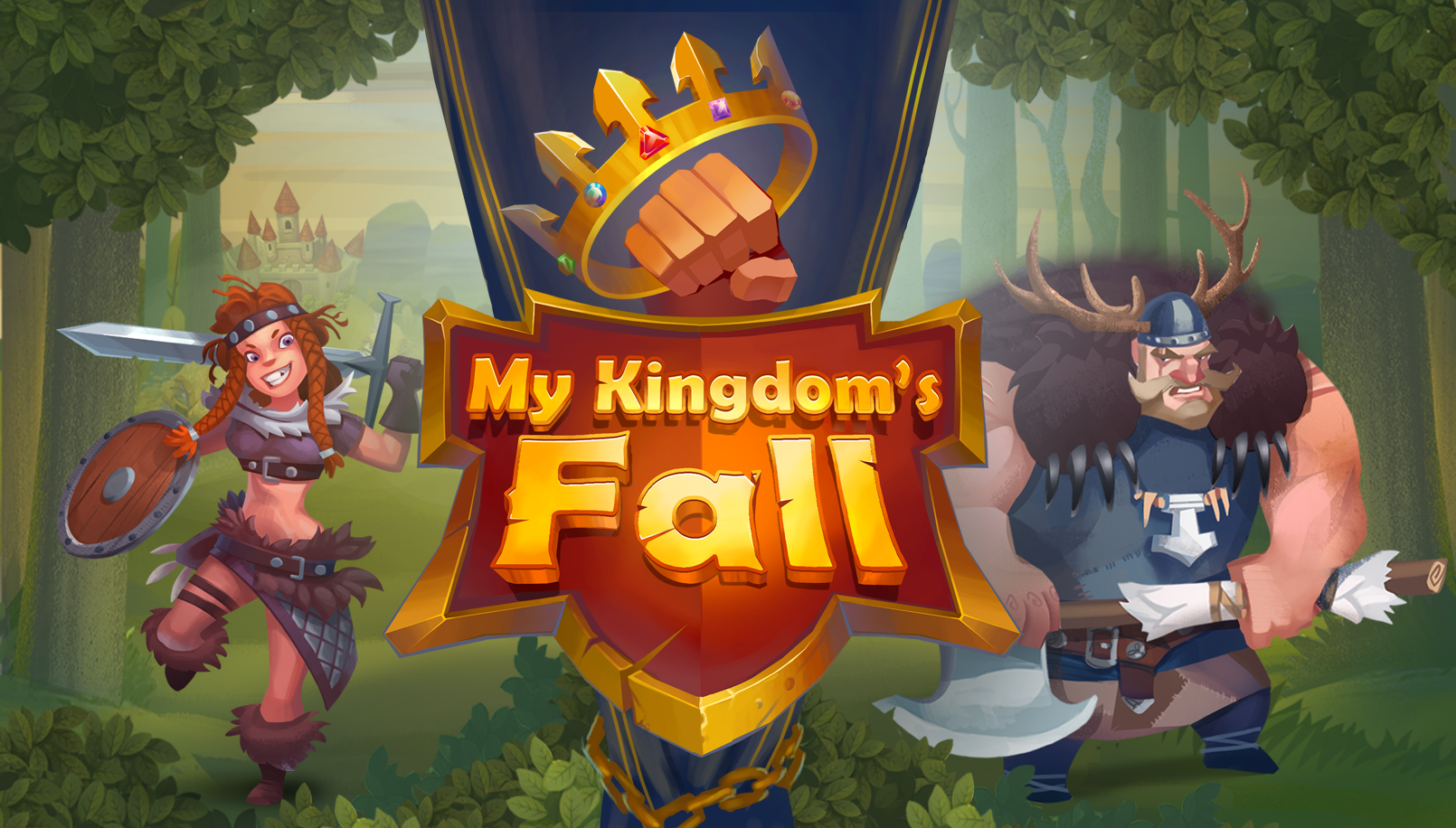
My Kingdom’s Fall
My Kingdom’s Fall is a PvP multiplayer card game that is available only for beta testers now. Thi...








Slot game design is the discipline that connects a math model to a player-facing product: the theme, the symbol set, the interface, and the way every win is presented on screen. A slot game design company does not sell artwork by the asset — it delivers a system in which each visual decision supports the volatility profile, the hit frequency, and the target market. EJAW builds slots and casino platforms for operators and studios, and treats design as an engineering deliverable with specs, reviews, and acceptance criteria. This page covers what the work actually includes, how math constrains it, and how to evaluate a partner before signing.
Most briefs arrive as a theme and a target audience. The design work is what converts that into a production-ready specification that artists, animators, developers, and QA can all work from without guessing.
A full slots game development pipeline splits the specification into four tracks that run in parallel but share one document.
Each track ends with acceptance criteria rather than opinions: a symbol set is approved when it passes a thumbnail legibility test, not when someone likes the palette. That distinction is what separates slot game design services from general illustration work.
The math model arrives first and sets hard boundaries: grid dimensions, reel set composition, payline or ways structure, hit frequency, and the shape of the paytable. Design does not negotiate those numbers — it makes them legible.
Grid and win structure determine most layout decisions. A 5×3 layout with fixed paylines needs a payline indicator that never obscures symbols; a ways-pays game needs win grouping that communicates dozens of simultaneous combinations without a wall of numbers; a cluster game needs a board that stays readable while symbols disappear and refill. Teams working through slot math models at EJAW define these presentation rules together with the mathematicians, because a feature that cannot be shown clearly is a feature players will misread as a bug.
Hit frequency drives animation budget more than any art decision. If wins land frequently, celebration sequences must be short enough that the spin loop never stalls; if wins are rare, the presentation can afford longer anticipation. The working target is readability in under one second: a player should identify the winning symbols, the win amount, and the current balance without scanning the screen.
Style families carry predictable player expectations, and choosing one is a market decision before it is an aesthetic one. Classic fruit and sevens, adventure and treasure, mythology, Asian-inspired, dark fantasy, retro-arcade, and neon-cluster styles each come with an established symbol vocabulary.
Readability outranks detail at symbol scale. High-pay symbols need distinct silhouettes and non-overlapping color ranges; low-pay symbols need a shared visual grammar so the hierarchy holds at 60 px. Game art production also covers the parts players notice only when they are wrong: consistent lighting direction, matching outlines, and a background that stays quiet behind the reel area.
2D and 3D pipelines produce different results under different constraints — rendered 3D symbols scale well across resolutions and support re-lighted variants, while hand-drawn 2D usually carries more character at a lower per-symbol cost. The 2D vs 3D comparison is worth settling in the style test rather than after production starts. Animation and sound follow the same rule: short, loopable, and mixed so the spin sound never masks a win cue.
Slot UX begins outside the game. The lobby tile has to communicate theme, volatility, and provider in a space smaller than a business card, and it has to sit next to entries from the wider casino game development catalog without visual conflict.
Inside the game, the buy-bonus entry point is the highest-risk element on the screen. It must state cost and outcome rules plainly, never overlap the spin button, and require a deliberate confirmation. Autoplay settings need visible stop conditions and a clear way back to manual play.
Mobile portrait is the default layout, not an adaptation. That means thumb-reachable controls in the lower third, a reel area that respects safe areas on notched devices, and a HUD that survives a small viewport without shrinking tap targets. One-hand play is the acceptance test.
Bonus features are where design scope usually breaks. Each feature adds states, transitions, and symbol variants that must all be produced, integrated, and tested.
| Feature | Design surface | Main cost driver |
|---|---|---|
| Free spins | Intro screen, counter, alternate reel set, outro | Second symbol set and its animation variants |
| Hold-and-win | Locked-symbol states, respin loop, fill meter | Number of distinct symbol states and transitions |
| Multipliers | Indicator, value animation, applied-win presentation | Readable stacking when several multipliers apply at once |
| Cascading | Removal, fall, refill, chain counter | Timing budget — the loop must not slow the base game |
Cost scales with unique states, not with feature count. A single free-spins round with a recolored reel set is cheap; a hold-and-win with several fill stages, per-symbol value animation, and a jackpot tier is not. Scoping the state list before art production is the cheapest decision in the project.
Themes do not travel evenly. Symbol choices, color meaning, and gesture conventions that read as neutral in one market can be inappropriate or simply uninteresting in another, so the theme shortlist should be reviewed against target regions before the style test.
Text is the second constraint. UI labels in some languages expand far beyond English length, so buttons and tooltips need layout headroom, and right-to-left locales require mirrored layouts rather than mirrored text dropped into a left-to-right screen. Currency and number formatting belong in the engine layer, not in baked artwork.
Regulation shapes presentation too. Markets differ on whether bonus buy is offered, how autoplay is exposed, and which disclosures must appear before play, so the same game may ship with different UI configurations. Designing those variants as configuration rather than as separate builds keeps the art pipeline intact.
A controlled process runs in four stages. Concept fixes the theme, audience, and feature list. The style test produces one symbol set, one background, and one mockup screen to validate readability before volume production. Production builds the full asset library against the approved spec. In-engine QA checks every asset inside the actual slot game engine at real resolutions and real spin speeds.
The style test is the stage teams try to skip and later regret. One screen at final scale exposes problems — cluttered reels, weak symbol contrast, unclear win states — while changes are still cheap. QA is the other gate: assets that look correct in a design file can break when an atlas repacks or a transition fires twice.
Scope can also be split. Operators with an existing engine and math model sometimes commission art and UI only through slot game art outsourcing, keeping integration in-house; the process stays the same, but the deliverable is an asset package plus integration notes rather than a finished build.
Selection criteria should be verifiable rather than presentational. Six questions cover most of the risk.
Red flags repeat across the market: portfolios with no playable builds, vague answers about source-file ownership, no in-house or partner math capability, a scope that grows without a written change order, and no device testing plan. Reviews such as the top slot game development companies overview help narrow a shortlist, but the criteria above should decide it. If you plan to scale the team rather than outsource a single title, hire slot game developers with slot-specific experience rather than general game artists.
It depends on scope. A reskin of an existing engine with an approved math model moves faster than a new theme with custom symbols, several bonus features, and a full audio package. The style test usually reveals whether a timeline is realistic.
Yes. Math models and visual design are separate tracks that share one specification, so the paytable, hit frequency, and win presentation are defined together instead of being reconciled late in integration.
That is a common engagement. The team receives the model and the integration requirements, runs the style test against the real grid and reel set, and delivers assets plus UI specs prepared for your engine.
Layered source files, exported sprites and atlases, animation sequences, sound assets, a style guide, and UI specifications. IP assignment and source-file ownership are agreed in the contract before production starts.
A prototype is not always required, but a single-screen style test is. It validates symbol legibility, color hierarchy, and win presentation at final scale, which is where most revisions originate.
Through thumbnail checks, real-device screenshots at multiple resolutions, and timed review of recorded spins. If a reviewer cannot identify the winning symbols and the win amount quickly, the symbol set or the win presentation goes back for revision.
Bring the theme, the target markets, and the math model if you have one — EJAW will turn them into a scoped design specification with a style test, a production plan, and defined acceptance criteria. Send a brief to start the scoping conversation.
Related reading: iGaming software development guide and slot game development cost.

Ejaw has a specialized team that is exclusively focused on slot game design. This team is well-versed in the intricacies of creating top-quality slot games.

The primary objective of the dedicated team is to ensure a seamless and enjoyable player experience. This involves careful consideration of various aspects of game development.

Ejaw's slot games are designed with captivating themes. These themes are carefully chosen to engage players and enhance the overall gaming experience.

Visual appeal is a key component of their games. The team puts a lot of effort into crafting visually stunning graphics and animations to make the games more attractive to players.

Ejaw pays attention to user interface design. They aim to create intuitive and user-friendly interfaces, making it easy for players to navigate and enjoy the games without unnecessary complications.

The ultimate goal is to provide players with a top-tier gaming experience. This encompasses the combination of engaging themes, high-quality visuals, smooth gameplay mechanics, and user-friendly interfaces to ensure that players have a fantastic time playing their slot games.
Classic Slot Games
Classic slots offer a nostalgic gaming experience, featuring traditional symbols like fruits and sevens. They provide straightforward gameplay and are suitable for all players, from beginners to experts.
Video Slot Games
Video slots take players on immersive journeys with complex storylines, bonus features, and interactive gameplay. These games often feature 3D graphics, animations, and multiple paylines, creating an engaging and interactive gaming experience.
Progressive Jackpot Slots
Progressive jackpot slots feature ever-growing prize pools that can lead to life-changing wins. With each bet, the jackpot grows, making these games popular among players seeking excitement and substantial rewards.
Themed Slots
Themed slots revolve around popular themes, including movies, TV shows, or historical events. They provide players with an immersive experience and cater to fans of specific interests.
Classic slots offer a nostalgic gaming experience, featuring traditional symbols like fruits and sevens. They provide straightforward gameplay and are suitable for all players, from beginners to experts.
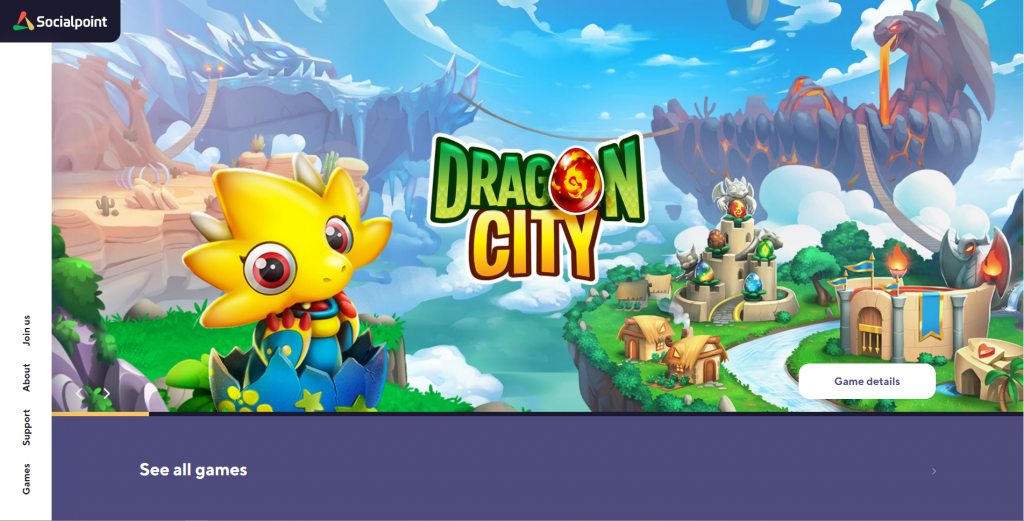
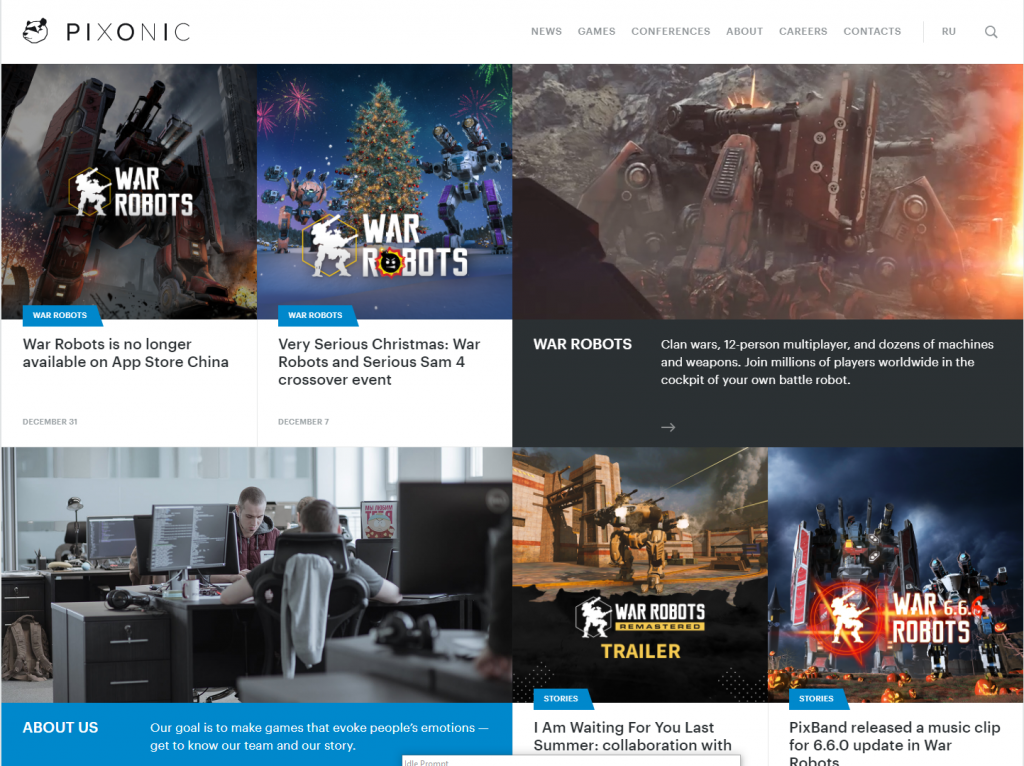
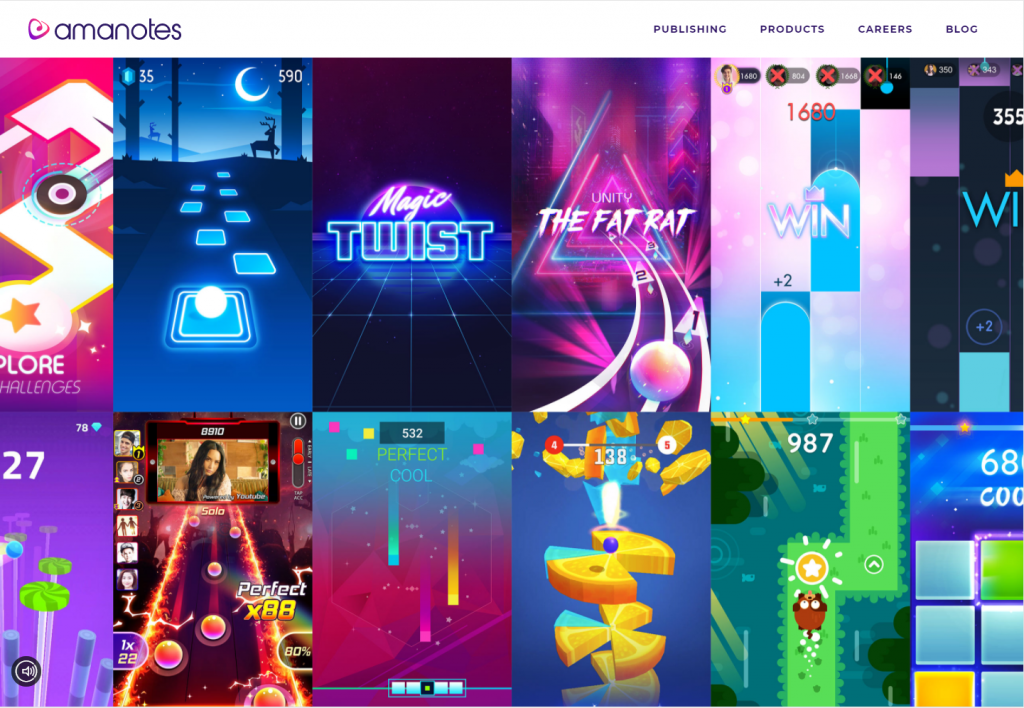
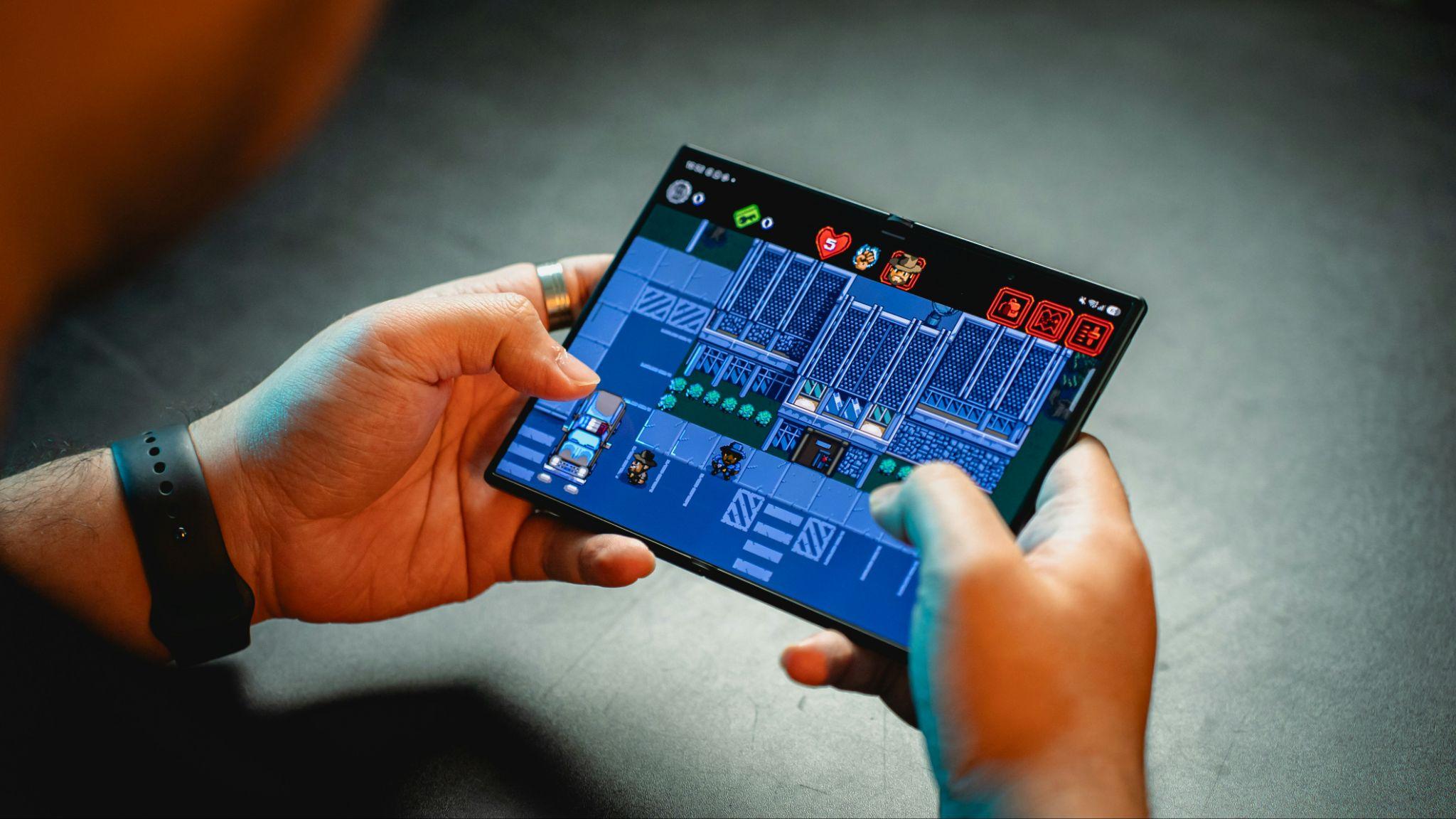
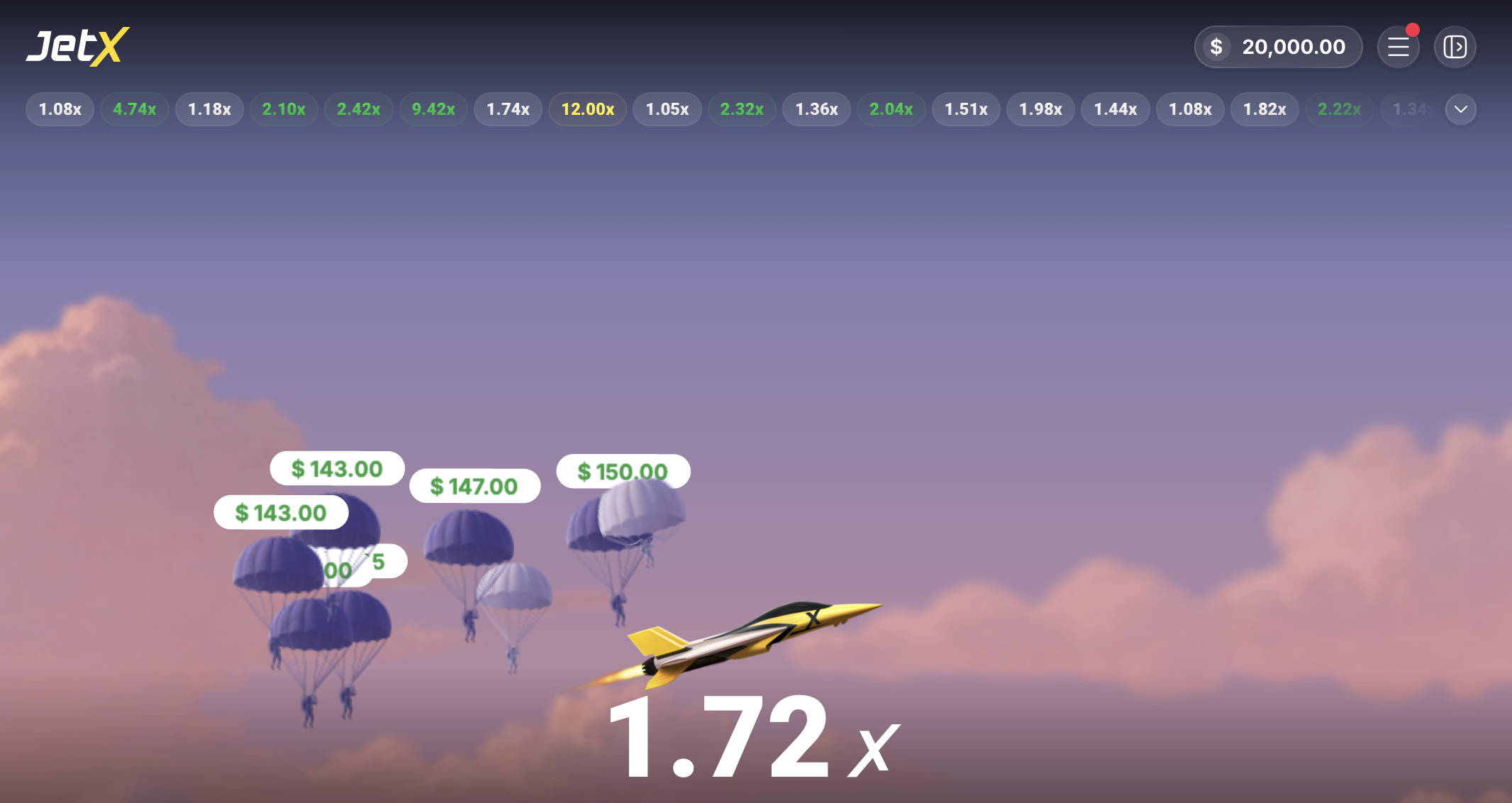

In the realm of slot game design, Ejaw's expertise extends to the development of cutting-edge Slot Game Engines. This pivotal component serves as the backbone, powering the immersive and seamless experiences players encounter. Dive into our mastery of slot game engine development, where innovation meets entertainment.
Explore the intricacies of our slot game engines, meticulously designed to handle complex gaming mechanics. Our innovative architecture ensures optimal performance and a foundation for captivating gameplay.
Delve into the world of Random Number Generator (RNG) algorithms, where precision and unpredictability converge. Ejaw's slot game engines incorporate advanced RNG implementations, guaranteeing fair outcomes and enhancing game integrity.
Witness the synergy of creativity and technology as our slot game engines seamlessly integrate with the powerful Unity engine. This collaboration results in visually stunning and technologically advanced slot games.
Uncover our commitment to diversity as our slot game engines offer scalable solutions for a myriad of themes. Whether classic, video, progressive jackpot, or themed slots, our engines adapt to bring each unique vision to life.
Slot Game Development
We excel in crafting captivating and immersive slot games for various genres, ensuring high-quality gameplay and player engagement.
Unity Engine Expertise
Our team utilizes the Unity engine to create a top-notch slot game engine. This engine is optimized for seamless gameplay, ensuring that players have a smooth and enjoyable experience.
RNG Algorithm Optimization
We have a deep understanding of optimizing slot machine functionality, including Random Number Generator (RNG) algorithms. This ensures fair and unpredictable outcomes for players, enhancing the integrity of our games.
Dedicated Slot Game Design Team
We have a specialized team exclusively focused on slot game design, well-versed in the intricacies of creating top-quality slot games.
Captivating Themes
Our slot games are carefully designed with captivating themes that engage players and enhance the overall gaming experience. We can tailor themes to specific client requirements or popular player interests.
Striking Visuals
Visual appeal is a key component of our games. Our team puts a lot of effort into crafting visually stunning graphics and animations to make the games more attractive to players.
User-Friendly Interfaces
We pay close attention to user interface design. Our goal is to create intuitive and user-friendly interfaces, making it easy for players to navigate and enjoy the games without unnecessary complications.
Top-Tier Gaming Experience
Our ultimate goal is to provide players with a top-tier gaming experience. This encompasses the combination of engaging themes, high-quality visuals, smooth gameplay mechanics, and user-friendly interfaces to ensure that players have a fantastic time playing our slot games.