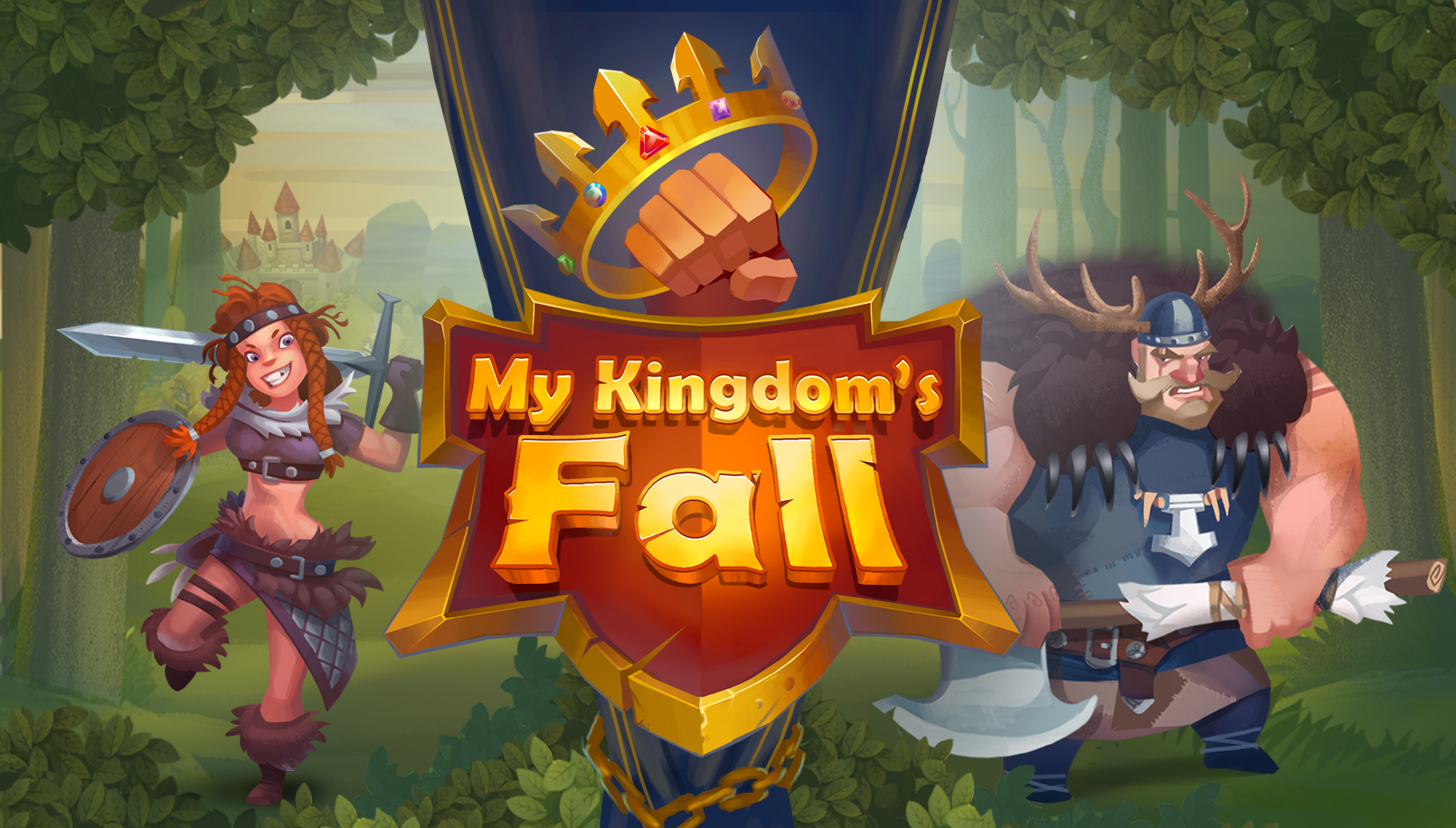
My Kingdom’s Fall
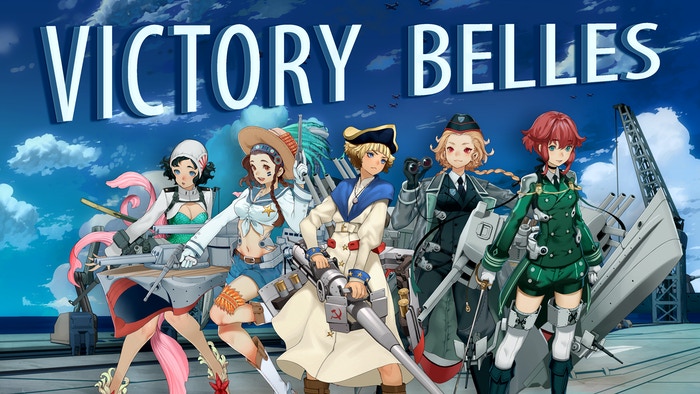
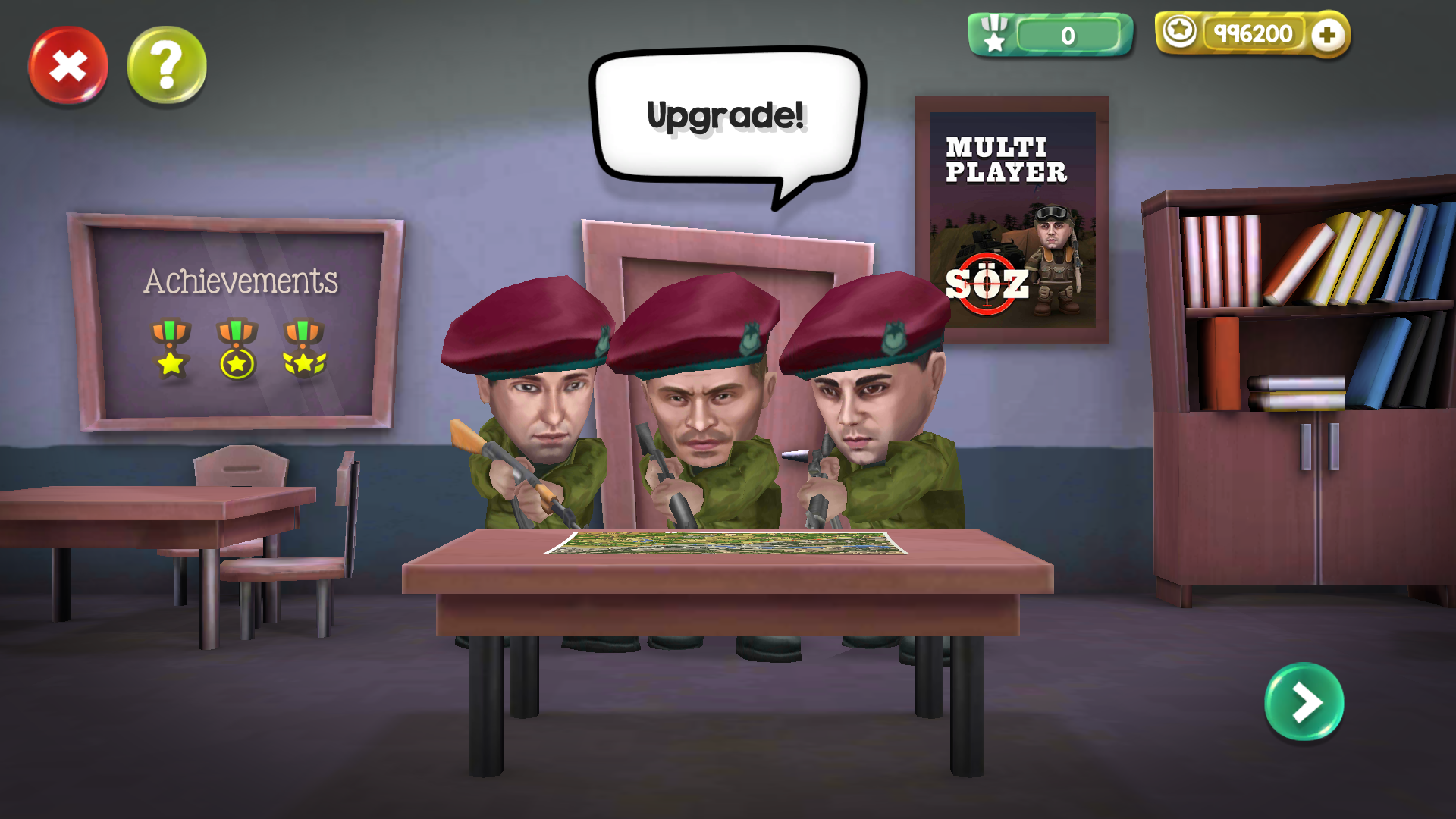
My Kingdom’s Fall is a PvP multiplayer card game that is available only for beta testers now. Thi...







What We Build
An NFT gaming platform is a blockchain-powered environment where in-game assets — characters, weapons, land, skins, and items — exist as verifiable, player-owned tokens. Unlike traditional games where assets live on a publisher’s server and vanish if the game shuts down, NFT assets are stored on-chain and can be traded, sold, or carried into compatible ecosystems.
For game studios and entrepreneurs, this creates a fundamentally new business model: revenue streams extend beyond one-time purchases to include secondary-market royalties, staking mechanics, and token-based economies that reward long-term players. Building this correctly from the start is what separates profitable projects from costly restarts.
PLATFORM AT A GLANCE
Our Services
We deliver end-to-end NFT gaming platform development — from smart contract architecture and blockchain integration to front-end game clients and post-launch support. Each engagement is scoped to your game type, target chain, and audience.
We write, audit-prepare, and deploy ERC-721 and ERC-1155 token contracts, governance modules, and royalty-distribution logic on your chosen chain — Ethereum, Polygon, BNB Chain, Solana, or a custom L2. Contracts are gas-optimised and tested against edge cases before deployment.
Whether your game runs on Unity, Unreal Engine, or a custom WebGL stack, our engineers connect the game client to on-chain systems — wallet authentication, real-time asset reads, transaction signing — without disrupting gameplay flow or loading times.
We build embedded marketplaces where players list, bid, and purchase NFTs without leaving the game. Features include fixed-price and auction listings, floor-price analytics, collection filtering, and on-chain escrow — all styled to match your game’s visual language.
We design dual-token or single-token economic models, staking pools, and yield mechanics that keep players engaged and the in-game economy balanced. We stress-test emission schedules and reward curves to prevent inflation and extend the game’s monetisation lifespan.
We integrate MetaMask, WalletConnect, and custodial wallet options so both crypto-native users and newcomers can onboard smoothly. Social login bridges (email-to-wallet) reduce friction for mainstream audiences without sacrificing self-custody for experienced players.
Studio operators need real-time visibility into token circulation, active wallets, marketplace volume, and asset ownership distribution. We build custom dashboards that surface actionable data so you can make informed economy adjustments before small imbalances become big problems.
Platform Comparison
Understanding where template platforms fall short helps set the right expectations for what a custom-developed NFT gaming platform can achieve at scale.
| FEATURE | Custom Platform (EJAW) | Off-the-Shelf Solution |
|---|---|---|
| Smart contract customisation | Full — built to spec | Limited or none |
| Token economy design | Custom model + stress testing | Generic templates only |
| Blockchain choice | Any chain or multi-chain | Vendor-locked chain |
| Game engine integration | Unity, Unreal, custom | SDK-only, limited depth |
| Scalability architecture | Designed for your traffic | Shared infrastructure limits |
| Royalty & revenue logic | Configurable per-collection | Fixed platform percentage |
| Long-term IP ownership | 100% client ownership | Vendor dependency risk |
How We Work
A structured, phase-based approach reduces rework, keeps budgets predictable, and delivers a platform that is ready to scale from day one rather than requiring expensive architectural changes later.
We conduct a structured discovery workshop — 3 to 5 days — to map your game’s mechanics, target audience, monetisation goals, and blockchain requirements. The output is a technical architecture document and a tokenomics blueprint that serves as the foundation for all subsequent development.
Our blockchain engineers develop, unit-test, and deploy smart contracts to a testnet environment. In parallel, backend services — APIs, indexers, IPFS metadata pipelines — are built and connected. You receive a functional staging environment for review before any mainnet deployment.
Front-end and game-engine developers wire the blockchain layer into the game client — inventory UIs, marketplace screens, wallet connection flows, and transaction confirmation modals. All interfaces are UX-tested for both Web3-native and non-crypto players to ensure smooth onboarding.
Every contract undergoes internal security review against common exploit patterns (reentrancy, integer overflow, front-running). Game and API layers receive load-testing and regression testing. We manage the mainnet deployment sequence, monitor the first 72 hours live, and provide a documented incident-response runbook.
Technology
We are blockchain-agnostic and game-engine-agnostic. Our team selects and integrates the stack that fits your performance, cost, and ecosystem requirements — not the one that’s easiest for us.
| LAYER | Technologies | Notes |
|---|---|---|
| Blockchain | Ethereum, Polygon, BNB Chain, Solana, Avalanche, custom L2 | Chain chosen based on gas cost, TPS, and audience |
| Smart Contracts | Solidity, Rust (Solana/Near), Vyper | ERC-721, ERC-1155, ERC-20 standards |
| Game Engines | Unity, Unreal Engine, Godot, custom WebGL | Native Web3 SDK integration for each engine |
| Backend | Node.js, Go, Python, GraphQL, The Graph indexer | Event indexing, caching, off-chain game state |
| Storage | IPFS, Arweave, AWS S3 (hybrid) | Decentralised metadata, media on CDN |
| Wallets | MetaMask, WalletConnect, Magic.link, Privy | Custodial options for mainstream onboarding |
| DevOps | Docker, Kubernetes, Hardhat, Foundry, CI/CD | Automated testing pipelines, staged deployments |
Why EJAW
Choosing a development partner for an NFT gaming platform is more than a technical decision — it’s a long-term commitment that affects your product’s security, player experience, and economic model for years. Here is what distinguishes EJAW from general blockchain agencies.
STUDIO NUMBERS
10+
Years in game development
150+
Games shipped to production
60+
Full-time engineers & artists
8
Blockchain networks supported
Ready to start your NFT gaming platform? Our team will scope your project and provide a timeline and budget estimate within 48 hours.
FAQ
Timeline depends on scope. A focused MVP — smart contracts, a basic marketplace, and wallet integration — typically takes 3 to 4 months. A full-featured platform with custom token economy, multi-chain support, and embedded game client integration usually requires 6 to 9 months. We provide a detailed milestone plan after the discovery phase.
There is no single correct answer. Ethereum offers the deepest liquidity and brand recognition but higher gas costs. Polygon and BNB Chain deliver faster, cheaper transactions suited to high-frequency in-game actions. Solana excels in throughput for real-time games. We help you evaluate these trade-offs against your budget, target audience, and game mechanics — then build on the chain that wins that analysis.
We perform internal security reviews as part of every engagement, covering common vulnerability classes including reentrancy attacks, access-control flaws, and arithmetic errors. For projects above a certain TVL threshold, we strongly recommend an independent third-party audit and can manage that process through our network of trusted auditors. The cost and timeline of a third-party audit are accounted for separately in project scoping.
Yes — retrofitting is a significant portion of our engagements. We assess the existing codebase, identify integration points for wallet authentication and asset management, and implement blockchain features in a way that minimises disruption to live players. Where the existing architecture makes clean integration difficult, we propose a phased migration path rather than a disruptive full rewrite.
We offer three support tiers post-launch: a monitoring-only plan covering on-call incident response, a maintenance plan including bug fixes and minor feature additions, and a growth partnership plan that adds proactive economy balancing, new content drops, and feature development sprints. All tiers include access to engineers who know your specific codebase — not a generic support desk.
Collectible Card Games (CCGs)
We create NFT gaming platforms for collectible card games, allowing players to trade and battle using unique, blockchain-backed cards.
Virtual Real Estate
Our expertise extends to the development of NFT gaming platforms that enable players to buy, sell, and develop virtual real estate in virtual worlds.
Blockchain-Based Virtual Worlds
We craft NFT gaming platforms that offer players the opportunity to explore blockchain-based virtual worlds, complete quests, and engage in unique, blockchain-driven experiences.
Decentralized In-Game Items
Our NFT gaming platform development services also cover decentralized in-game items, allowing players to own, trade, and utilize unique blockchain-backed items within the gaming environment.
We create NFT gaming platforms for collectible card games, allowing players to trade and battle using unique, blockchain-backed cards.



Explore our comprehensive blockchain integration services for game development, seamlessly merging cutting-edge blockchain technology with gaming innovation.
Implementing smart contracts in games ensures transparent and trustless execution of in-game transactions, enhancing security and player confidence.
Transform in-game assets into blockchain tokens, enabling players to truly own, trade, and utilize their virtual possessions across games and platforms.
Develop decentralized gaming ecosystems, fostering player-driven economies, reducing fraud, and creating fairer reward systems through blockchain's decentralized nature.
Utilize blockchain's inherent security features to safeguard player data, prevent cheating, and provide a transparent environment, enhancing overall gaming integrity.
Why do NFT Gaming Platforms matter in the gaming industry?
NFT gaming platforms introduce ownership and scarcity to in-game assets, providing players with true ownership and unique, tradeable items.
How does blockchain technology enhance security and transparency in NFT gaming platforms?
Blockchain ensures that in-game assets and transactions are secure, transparent, and immutable, building trust within the gaming community.
How do NFTs empower players in the gaming ecosystem?
NFTs empower players by granting true ownership of in-game assets, enabling them to trade, sell, or utilize assets across different games, fostering a player-driven economy.
What role does decentralization play in NFT gaming platforms?
Decentralization ensures that NFT gaming platforms operate without a central authority, providing transparency, security, and removing the risk of centralized control, aligning with the principles of blockchain technology.