
There is a lot to be said for clicking a link and finding the game already waiting.
No installation bar, no launcher update and no warning that the drive is almost full. Give the page a moment and you are playing. If the game is bad, close the tab. If it is good, the next half-hour may disappear.
Browser games have worked this way for years. Flash may be gone, but the reasons people liked playing in a browser never went with it.
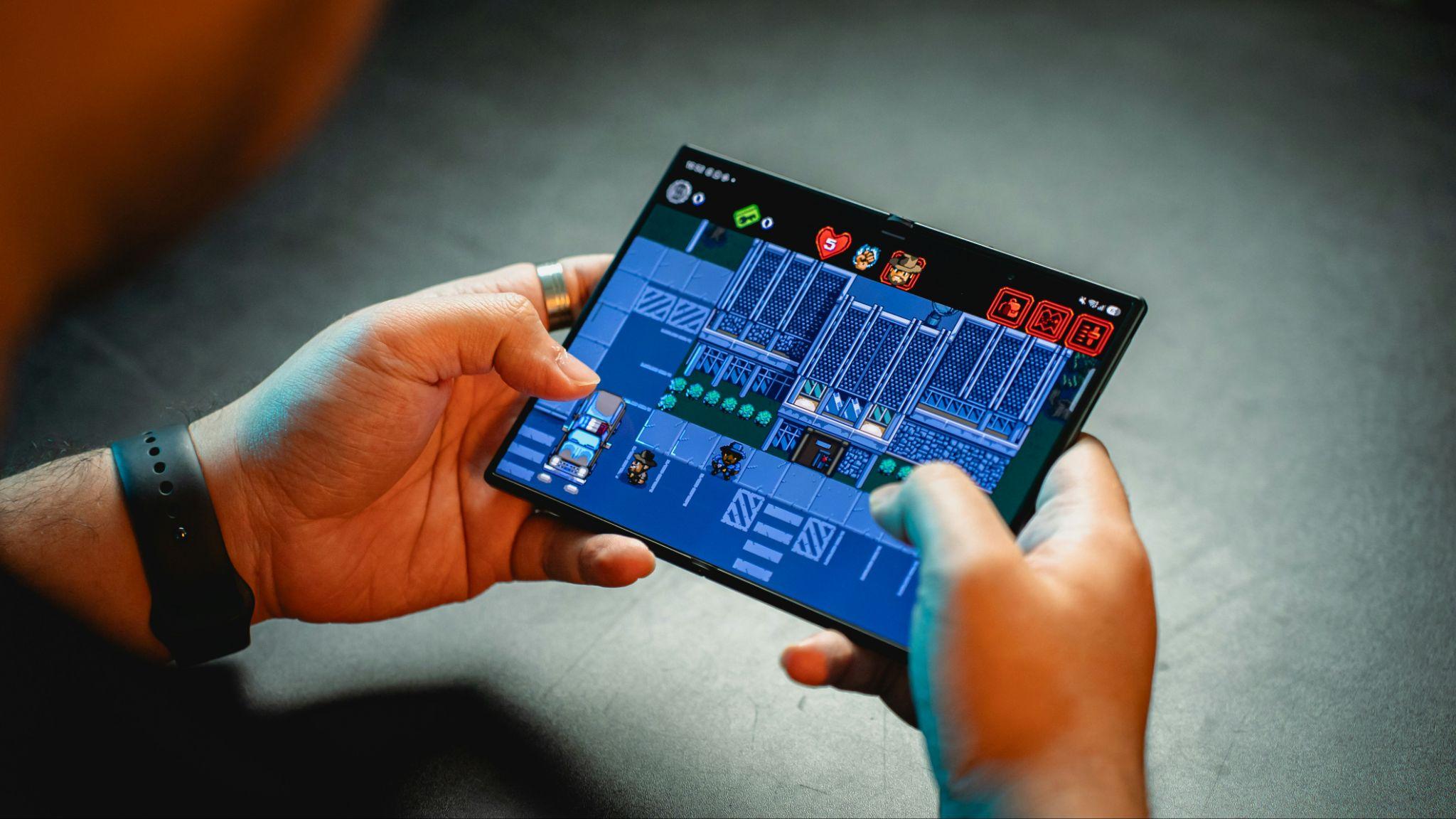
Image source: Unsplash
There Is More to Play Than You Might Expect
The phrase “browser game” still brings back memories of old Flash portals for a lot of people. Those sites were filled with platformers, tower-defense games and strange experiments that barely lasted five minutes.
Modern browser gaming is harder to define.
Dungeon Crawl: Stone Soup is a proper roguelike, not a quick distraction. It has procedurally generated dungeons, permanent death and a large selection of species and backgrounds. A player can spend months learning it and still make a terrible decision that ends a promising run.
Fallen London is just as deep in a completely different way. The game unfolds through writing and choices inside a bizarre underground version of Victorian London. It works well in short visits, but its stories can follow the same character for years.
At the lighter end, itch.io has plenty of small web games that get to the point quickly. An Average Day at the Cat Cafe combines simple cafe management with colorful artwork and cats wandering through the shop. It is exactly the sort of game somebody might try because opening it requires almost no effort.
Old names are reappearing as well. Surviv.io, the top-down battle royale first released in 2017, returned to browser play in March 2026 after closing three years earlier. Its short solo, duo and squad matches are still a natural match for the format. Returning players have welcomed it back, although some comments on the restored version of the game have questioned whether the current community will be large enough to keep matches busy.
If you want a quick map of what the browser does well, these five categories cover most of it:
- Roguelikes: procedurally generated dungeons and permanent death reward months of learning rather than a quick distraction.
- Long-form narrative: writing and choices carry one character across years of short visits.
- Small experiments: compact games that get to the point because opening them takes almost no effort.
- Battle royale: short solo, duo and squad matches suit the format, as long as enough players are online.
- Retro titles through emulation: a playable route back to games stranded by the end of Flash support, though compatibility varies.
That is a fair concern. Online games need people, not just working servers.
Why Do Players Keep Coming Back?
Convenience is part of it, but there is also less pressure attached to trying a browser game. Nobody has to commit an evening, a download or a chunk of storage just to find out whether a title is worth their time.
Installing something feels like a small decision. The game needs space, and there is a good chance it will sit untouched in the library after the first session. A browser title can be sampled without pretending it has already earned a permanent home.
Sharing is easier too. Send a friend a link and both of you can be in the same game within minutes. There is no discussion about storefronts, operating systems or whether somebody has finished downloading the latest patch.
Portable devices offer another way to make gaming more flexible. Our guide to choosing between current handheld gaming PCs looks at machines capable of carrying demanding PC games away from the desk. Browser games make a different trade. They leave the installation behind and depend on the connection instead.
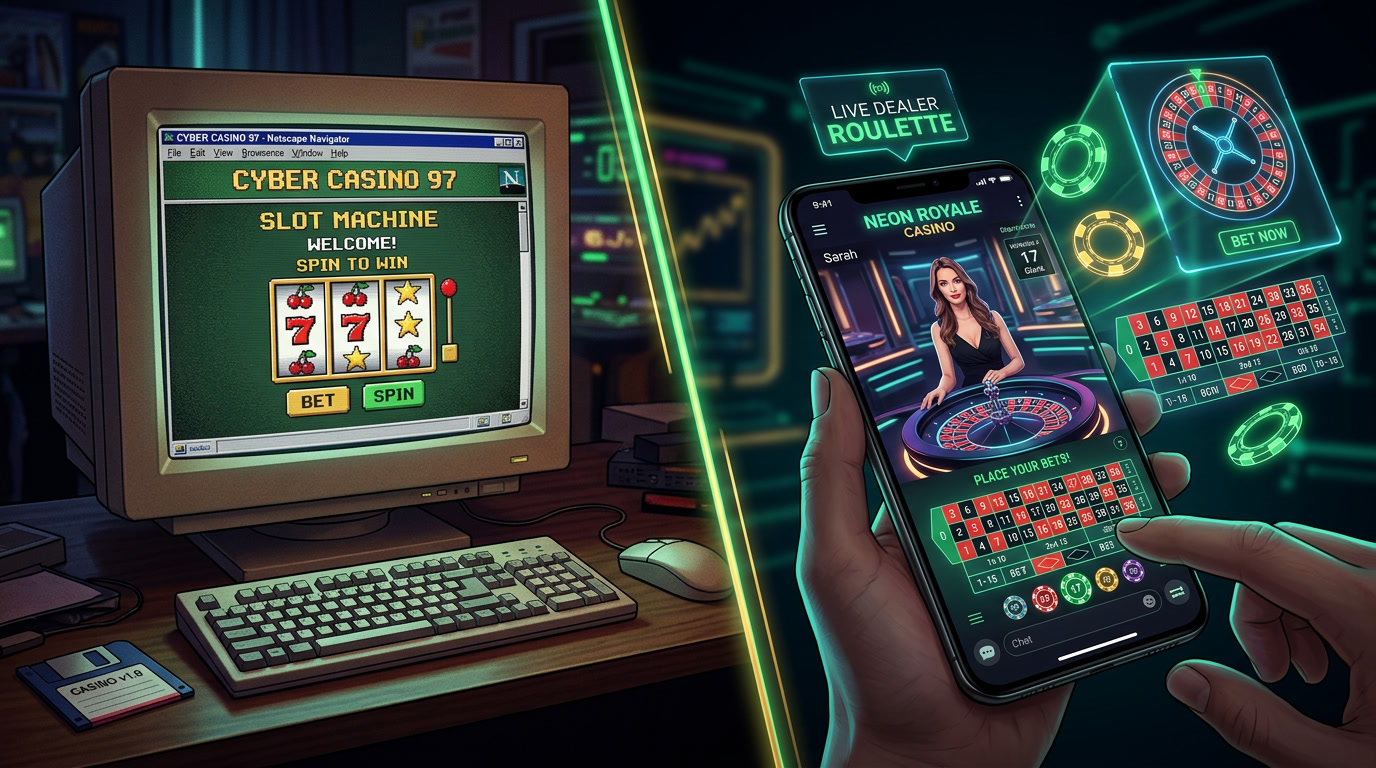
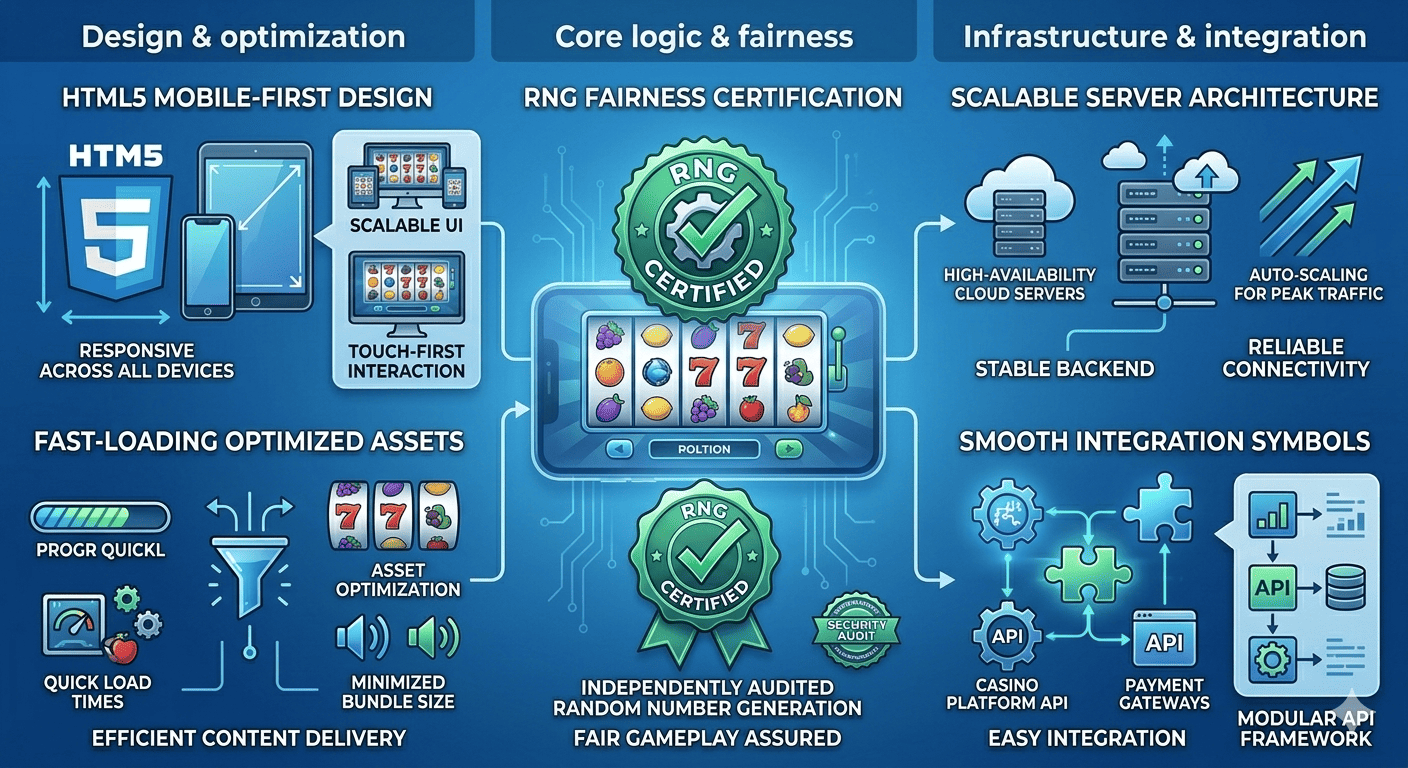
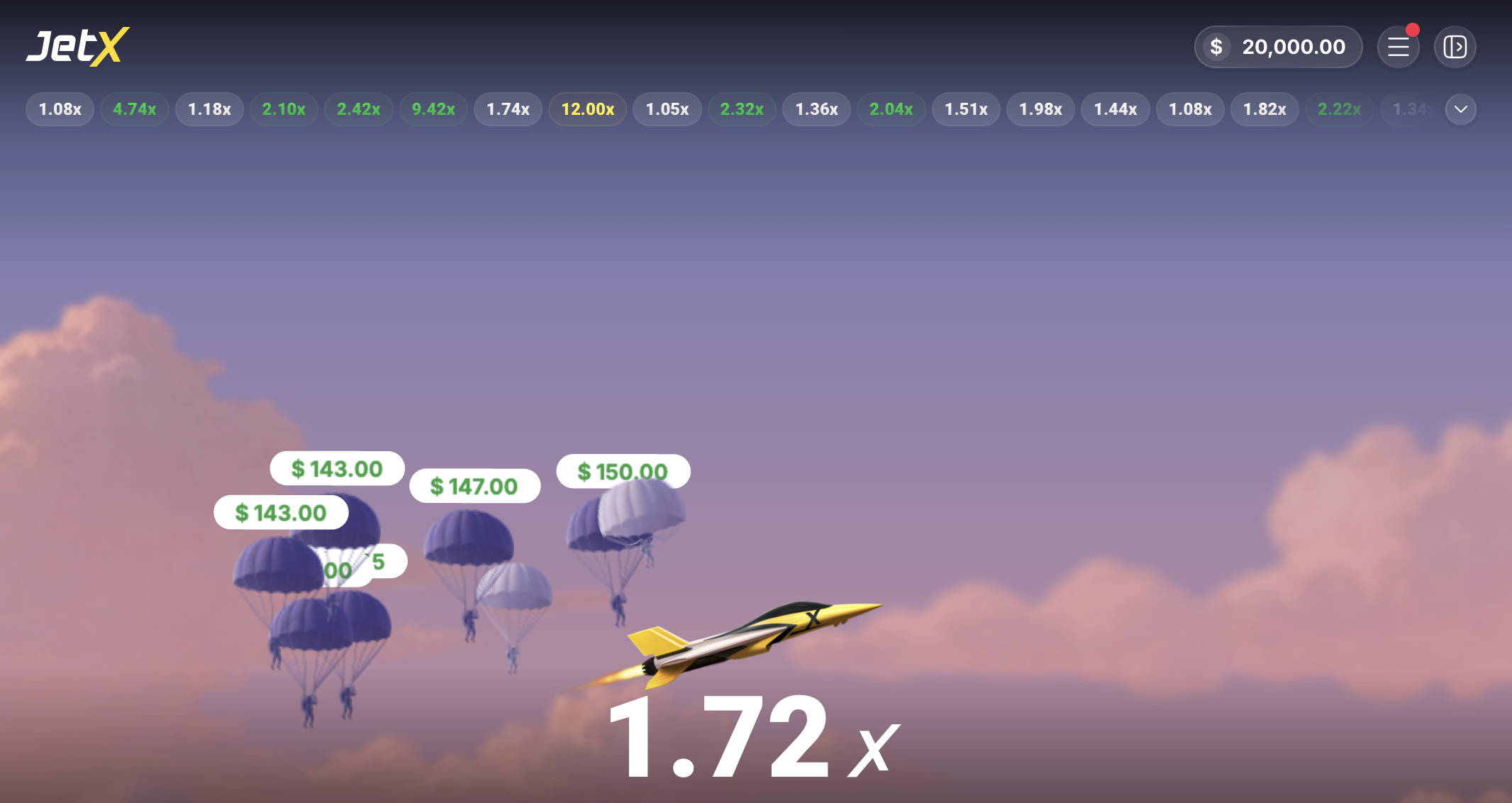
Large catalogues benefit from this setup. Retro libraries and web arcades let players move between games without filling the device with separate downloads. Casino platforms organize games in much the same way. A collection of online slot games for real cash can place classic, video and progressive formats inside one browser library for desktop and mobile play.
The point is not that every catalogue contains the same sort of game. It is that moving from one title to another takes seconds.
Put side by side, the trade-off between the two formats looks like this:
| Installed game | Browser game |
|---|---|
| Installation: a download and a launcher update before the first session. | Installation: the page loads and play starts. |
| Storage: takes up space on the drive. | Storage: leaves the installation behind. |
| Offline: runs without a constant connection. | Offline: depends on the connection instead. |
| Hardware use: uses the hardware more predictably. | Hardware use: shares the machine with the browser around it. |
| Sharing: both players need the same storefront, system and patch. | Sharing: one link puts both players in the same game. |
| Trying something new: a commitment that can end in an untouched library entry. | Trying something new: close the tab if it does not work out. |
The Browser Still Gets in the Way Sometimes
Not every browser game feels good on every device.
Some mobile versions clearly began as desktop layouts. The buttons are too small, the menus cover the action and one careless swipe moves the page instead of the character. A slow connection can stretch a short loading screen into something much less inviting.
Installed games also have obvious advantages. They can store large assets locally, work without a constant connection and use the hardware more predictably. Nobody seriously expects a browser tab to replace every game on a PC or console.
It does not have to.
The browser is best for games that benefit from immediate access. Sometimes that means a short puzzle. Sometimes it means a battle royale match, a long-running narrative or a roguelike that punishes the player for getting confident.
Four friction points come up again and again:
- Mobile layouts: some versions began as desktop designs, with buttons too small and menus covering the action.
- Slow connections: a short loading screen can stretch into something far less inviting.
- Large assets and offline play: installed games keep assets locally and keep working without a constant connection.
- Predictable hardware: a browser tab cannot use the machine as reliably as an installed build.
Older games are also finding their way back through Flash emulation built for modern browsers. Compatibility varies, but titles once stranded by the end of Flash support can be played again without installing Adobe’s retired software.
Browser gaming is messy, varied and much larger than its old reputation. That is part of its appeal. You never quite know what will be waiting behind the next link.